


How to Drink Oolong Tea: Caffeine, Cups a Day and Brewing
How to drink oolong tea: how much caffeine is in a cup, how many cups a day are reasonable, when to drink it, and brewing tips for rolled…
Country, language & currency
or
The Tea Journal · Brewing Guides · Oolong Tea
By the Tealyra Tea Team · · 6 min read

In short: a tea tasting at home is four to six teas brewed the same way, side by side, and tasted in order from lightest to darkest. You need small cups, a kettle, a scale or teaspoon, a timer and a notebook. Use 2 g of leaf per 100 ml (3.4 oz) of water, keep the water and time the same for every tea, and give each cup two minutes of attention: look, smell, sip, wait. Below is a plan you can run in an hour for friends or for yourself, with a tea flight that works for first-timers.
A tasting is not a tea party. The point is comparison, so everything except the tea stays identical. Here is the short kit list.
Pick four to six teas with a clear theme, so differences are easy to notice. Three themes that work well:
For an across-the-types flight, these three in-stock teas give the widest spread with a plain black tea added as the anchor everyone already knows:
| Order | Tea | Type | Water | What to look for |
|---|---|---|---|---|
| 1 | Pai Mu Tan White Peony | White | 80°C / 176°F | Pale gold liquor, hay, melon, soft sweetness |
| 2 | Anxi Tie Guan Yin | Green oolong | 90°C / 194°F | Orchid aroma, buttery body, leaves that unfurl to full size |
| 3 | Any plain black tea you have | Black | 95°C / 203°F | Amber to copper, malt, brisk finish |
| 4 | Aged 5 Years Naked Shu Pu'erh | Ripe pu-erh | 100°C / 212°F | Dark mahogany, damp wood, cocoa, mushroom broth |
Browse the full white tea, oolong tea and pu-erh tea collections if you want to swap any of these for a tea you are curious about.
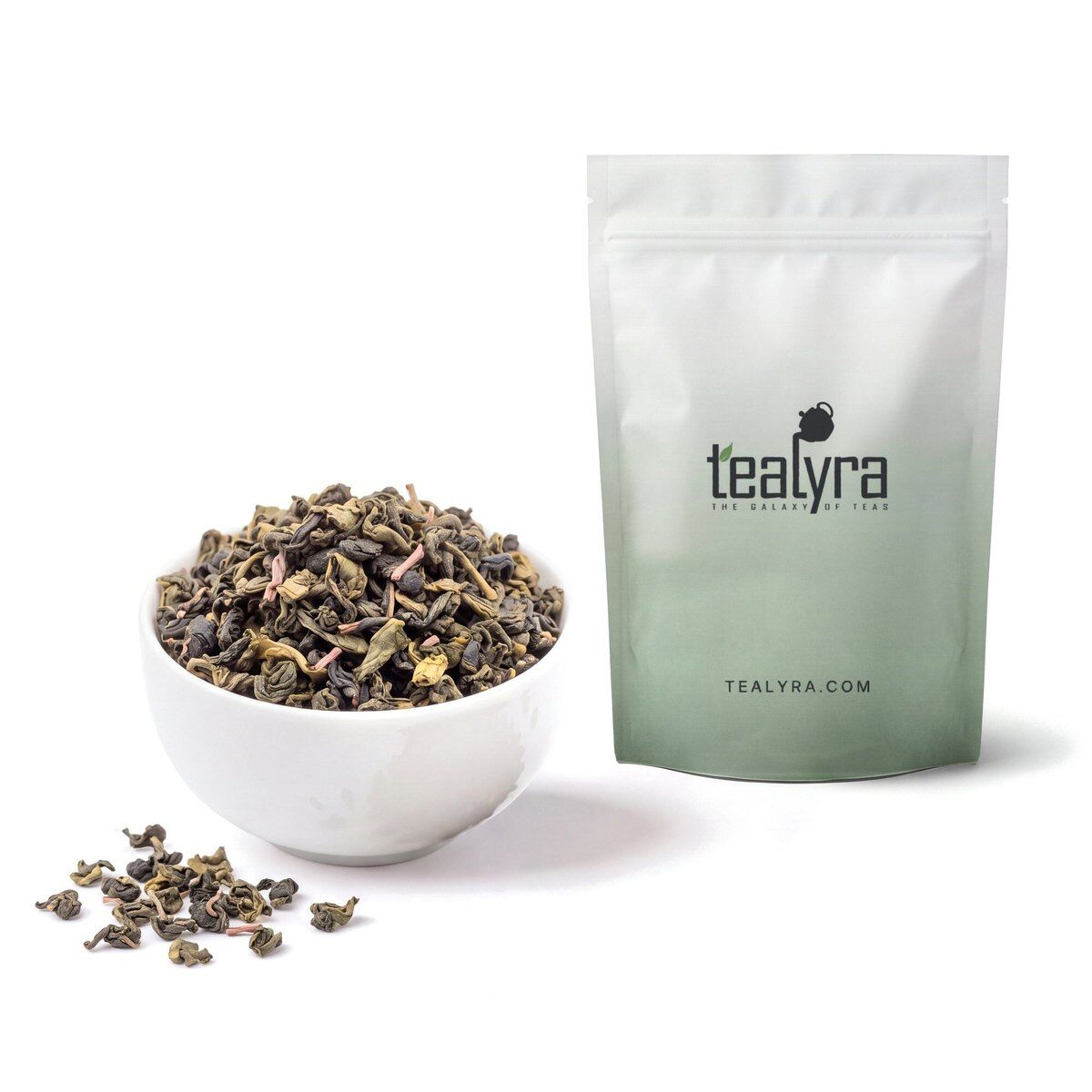
Lay the teas out left to right in tasting order, lightest first. Put a small dish of the dry leaf in front of each pot so guests can look and smell before brewing. Number the pots with sticky notes, or run it blind: cover the labels and reveal the names only at the end. Blind tastings are more fun and more honest; people stop tasting the price tag.
Weigh the leaf before guests arrive. The standard tasting ratio is 2 g per 100 ml, so a 150 ml pot gets 3 g. Keep the ratio, water temperature and steeping time written on a card for each tea. If you want a true side-by-side, brew every tea at the same temperature and time, for example 90°C (194°F) for 3 minutes. Some cups will be a little off their best, but the comparison is fair.
Give each tea a mark out of 5 for aroma, taste, body (how thick it feels in the mouth), finish and how much you would want a second cup. Add them up. The total is less interesting than the pattern: most people discover they rate body and finish higher than aroma, and that the tea they expected to love came third. Keep the cards. After three or four tastings you will have a personal flavor map that is far more useful than any review.
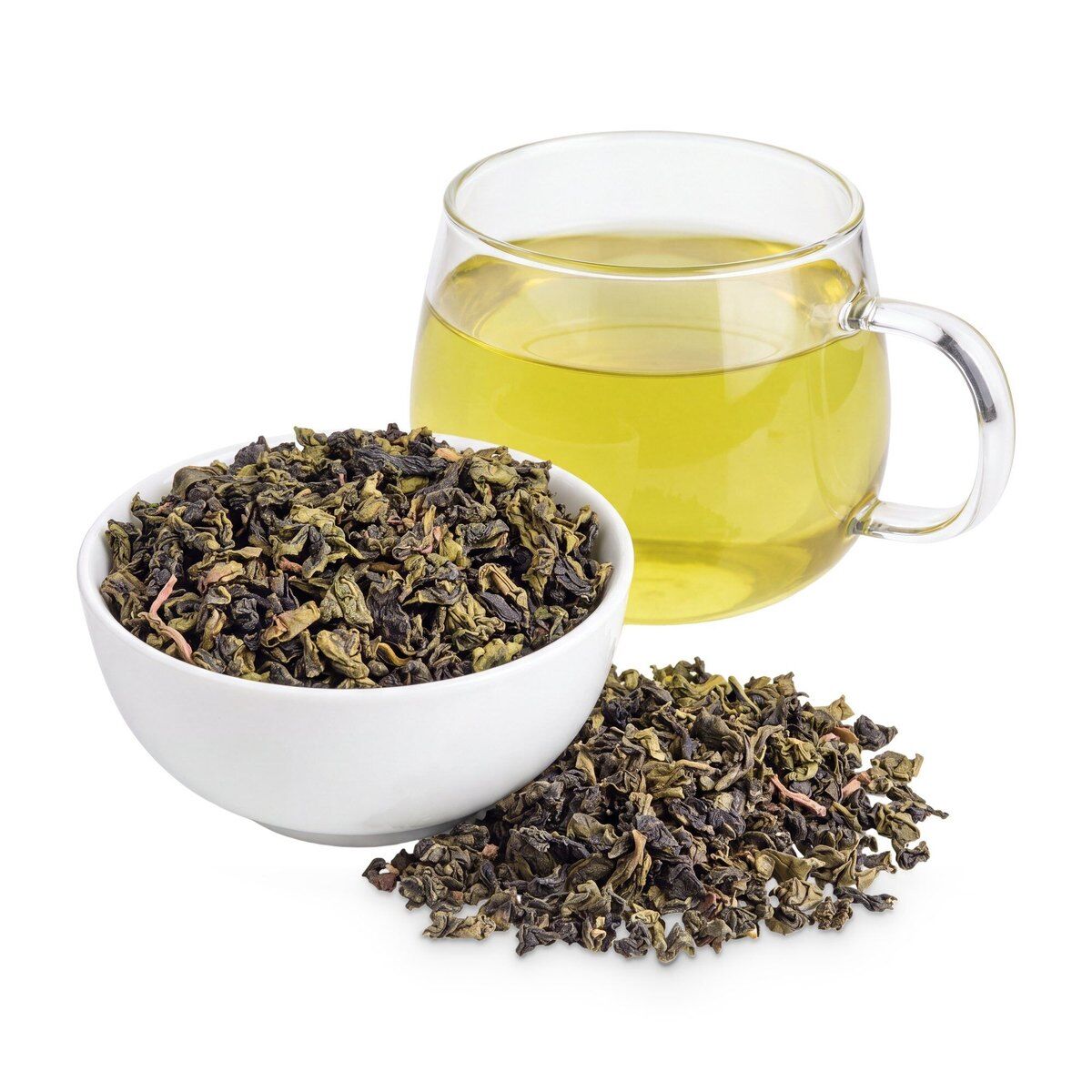
Serve plain food, if any: water crackers, white bread, a little mild cheese. Sweet or spicy snacks reset the palate in the wrong direction. Keep the session to five teas and about an hour; after that, everything tastes the same. Avoid these mistakes:
Four to six. Fewer than four and there is little to compare; more than six and the palate tires. Five is the sweet spot for a group of friends.
No. Any small white cup of 60 to 100 ml works. Professional tasting sets with a lidded cup and bowl are handy because they hold exactly 150 ml, but espresso cups do the same job.
Light to dark: white, green, oolong, black, then pu-erh. Put flavored or smoked teas last, because their aromas linger.
Use 2 g of leaf per 100 ml (3.4 oz) of water, brewed for 3 minutes. This is stronger than an everyday cup on purpose, so flaws and strengths both show.
Yes. Good oolong, white tea and pu-erh give three or more steeps. Brewing the favorite tea again at the end, with the names revealed, is the best way to close the session.
How to drink oolong tea: how much caffeine is in a cup, how many cups a day are reasonable, when to drink it, and brewing tips for rolled…

What makes Taiwan high mountain oolong special, how to choose Ali Shan or Mei Shan, and how to brew it gongfu style or in a mug, with times…

Discover Da Hong Pao, China's legendary rock oolong tea. Learn about its rich history, unique roast profiles, and how to brew the perfect…